2 May 2026 · 2 min read
The Yoruba traditional wedding, step by step
The introduction, the two alaga, the eru iyawo, the prostrating and the ring. A clear walk through the Yoruba engagement, and what each moment is for.
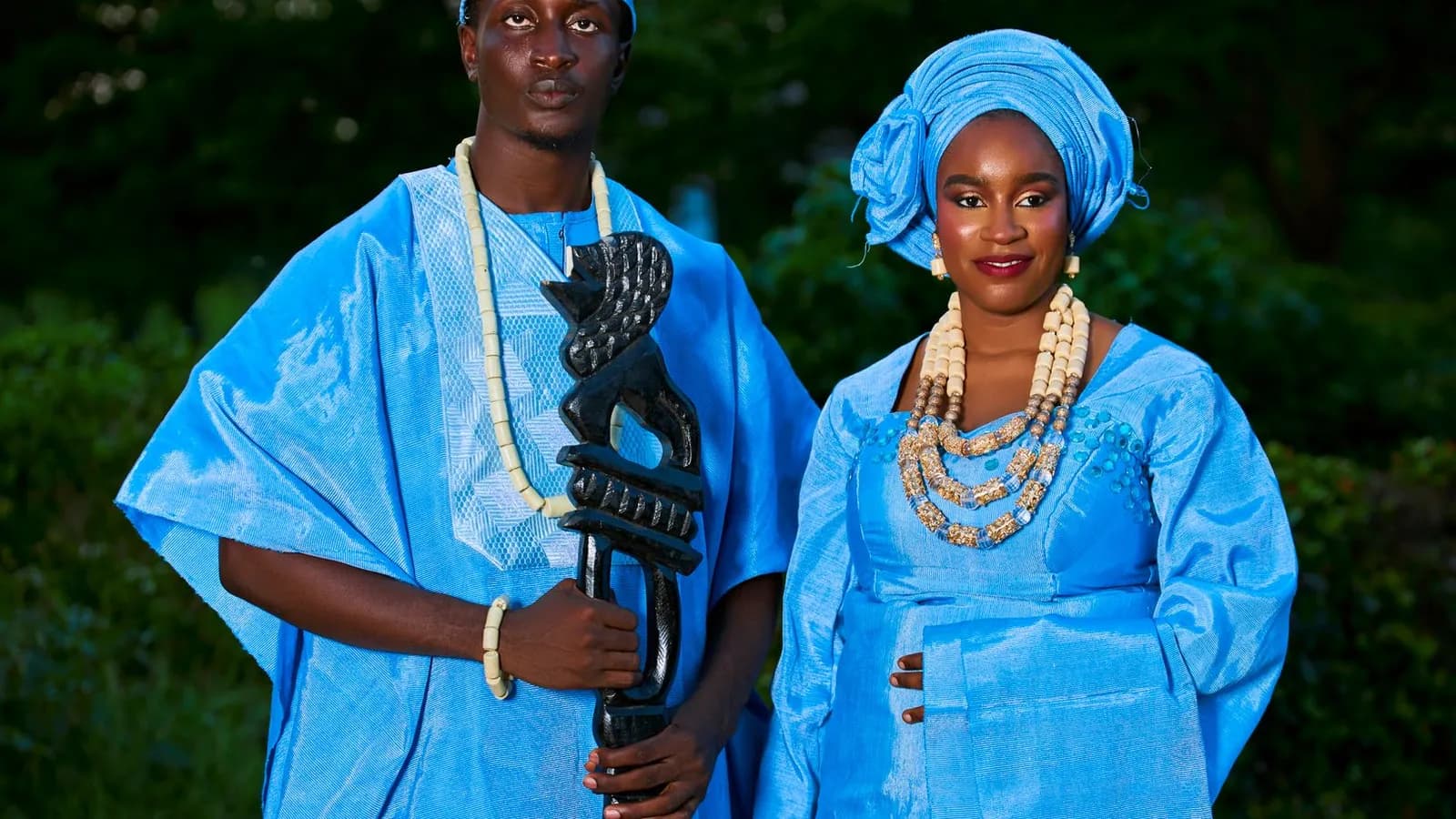
A Yoruba wedding is really two celebrations: the traditional engagement, rich with ceremony and colour, and the white wedding that often follows. The engagement is where the culture lives, and it runs to a well-loved script.
First, the introduction
Before anything, the families meet at an introduction, sometimes called "mo mi i mo e", loosely "know me and let me know you". It's smaller and calmer: the two families get acquainted, the intention to marry is stated plainly, and a date is set. No introduction, no engagement.
The two alaga run the show
The engagement is led by two masters of ceremony, both traditionally women. The groom's family brings the Alaga Iduro (the "standing" MC), and the bride's family has the Alaga Ijoko (the "sitting" MC). They trade prayers, proverbs and gentle teasing, the bride's alaga guarding her family's interests, the groom's making his family's case. It's theatre with a purpose, and it's often the funniest part of the day.
Prostrating, the letter, and acceptance
The groom and his friends arrive and prostrate fully (dobale) before the bride's family, a mark of respect that always draws cheers. A letter proposing the marriage is read aloud and formally accepted, and the families give their blessing.
The eru iyawo and the ring
The groom's family brings gifts, the eru iyawo, requested in advance and each carrying meaning: honey, salt, kola nuts, fruit, a suitcase, and more. The bride is asked to pick out one item in particular, the Bible or the Qur'an depending on her faith, because her engagement ring is tucked inside. She finds it, and slips the ring onto her own groom's hand for everyone to see.
Aso-oke, and dressing the part
The couple wear matching aso-oke, the handwoven cloth of the Yoruba. The bride in iro and buba with a gele (headwrap), the groom in agbada with a fila (cap). Guests wear the aso-ebi in the colour of the day. Then the drumming, the dancing, and the spraying begin.
Planning one from abroad
If your family is spread across countries, put the introduction, the engagement, the white wedding and the reception on one link, each with its own timing and dress code. Share the aso-ebi early, and let the relatives who can't travel watch the prostrating and the spraying live. The ceremony keeps its shape even when the guest list crosses oceans.