18 June 2026 · 2 min read
Many days, one celebration: a guide to Indian and Pakistani weddings
Haldi, mehndi, sangeet, nikah, baraat and walima. What the many events of a South Asian wedding are, and how to keep guests from getting lost.
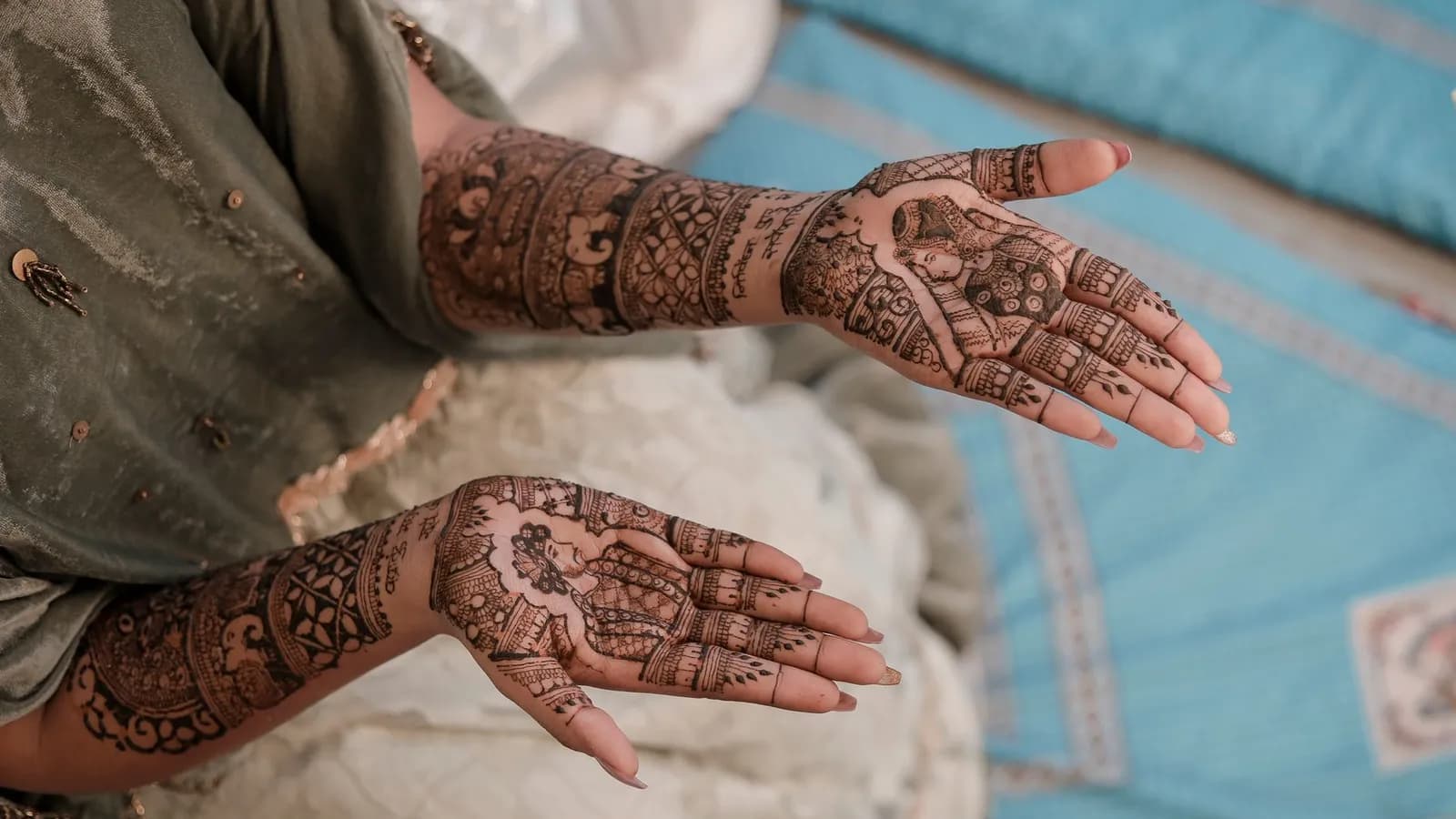
South Asian weddings are famously not a single day. They're a run of events over several days, each with its own mood, and the joy is in the build-up as much as the ceremony itself. Here's the shape of it, on both the Indian (often Hindu) and Pakistani (often Muslim) sides.
The Indian, Hindu, sequence
- Roka: the families' formal yes, which opens the celebrations.
- Haldi: turmeric paste applied to the couple to bless and brighten them.
- Mehndi: intricate henna on the bride's hands and feet, an afternoon of colour.
- Sangeet: a music-and-dance night where both families perform, often competitively.
- The wedding: the baraat (the groom's dancing procession), the jaimala (garland exchange), and the saat phere, seven steps around a sacred fire, one vow each.
- Vidaai: the bride's emotional farewell to her family.
The Pakistani, Muslim, sequence
- Dholki and mayun: intimate pre-wedding gatherings, with turmeric for the bride among the women.
- Mehndi: marigolds, dhol, henna and dancing, both families together.
- Nikah: the Islamic marriage contract, signed before witnesses and an imam.
- Baraat: the groom's procession, and joota chupai, where the bride's sisters hide his shoes and negotiate their return.
- Rukhsati: the bride's tearful departure with her new family.
- Walima: the reception hosted by the groom's side.
Names and order vary, and that's fine
India and Pakistan are enormous and diverse. The count, names and order of ceremonies shift by region, community and family. Some do seven pheras, some four. Some run five days, some two. When in doubt, follow the couple's own programme rather than a textbook.
Keeping guests oriented
With this many events, the practical problem is simple: people need to know what's happening, when, where, and what to wear, without scrolling through a group chat. Put each event on one link with its own dress code and RSVP, show the times in every guest's local timezone for the relatives flying in, and let anyone who can't travel watch the ceremony live. The celebration can be as long as your tradition asks; the information just has to be easy.